
What These International Coke Flavors Say About Consumer Culture
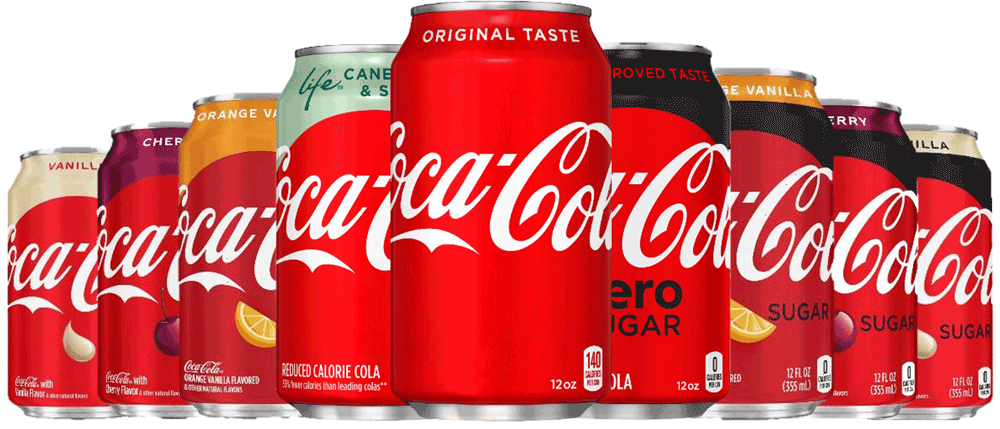
When you think of Coca-Cola, you probably picture the classic red can, followed by major variants like Diet Coke and Coca-Cola Zero Sugar. However, there is a wide variety of unfamiliar flavors that most people have never even heard of. Across Asia, Latin America, and Europe, you will find Coca-Cola flavors designed to reflect local tastes and cultural preferences. Whether it is a peach-infused bottle from Japan or a coffee-inspired twist from the UK, these flavors offer a taste of the culture and creativity behind each country’s unique palate. They also reflect how global brands adjust their products to align with regional consumer behavior rather than relying on a one-size-fits-all approach.
So what can these international Coke flavors reveal to you about consumer culture around the world? If you study marketing or brand strategy, this shows you how successful global companies localize their products to fit cultural demand rather than forcing a standardized global approach.
1. Coca-Cola Peach (Japan and China)
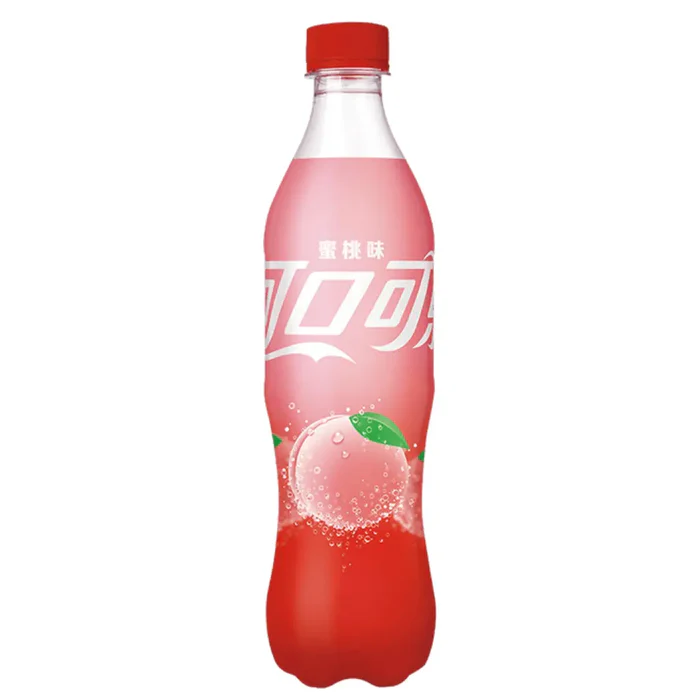
When you try Coca-Cola Peach, you’ll notice it tastes closer to white peach than a traditional artificial peach soda. The sweetness of the peach complements Coca-Cola’s signature sugary profile, creating a lighter, summery twist on the classic drink. Typically released during warmer months, it’s marketed as a refreshing companion for picnics and beach outings.
Its seasonal positioning highlights how consumer demand in these markets often revolves around limited-time flavors tied to specific times of year. Rather than keeping the same core lineup year-round, Coca-Cola introduces varieties that align with seasonal habits and flavor preferences that are already popular in the region.
2. Coca-Cola Coffee (Canada and Europe)
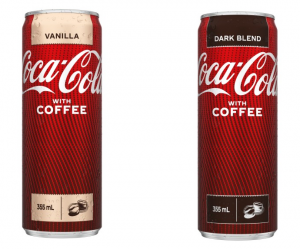
If you live in a market where coffee is part of your daily routine, a cola-coffee hybrid might feel less surprising. You can see how Coca-Cola first experimented with this idea in 2006 with Coca-Cola BlāK, launched in France as a blend of Coke and black coffee aimed at more refined, health-conscious consumers. It struggled commercially and was discontinued by 2008.
Years later, Coca-Cola reintroduced the concept with Coca-Cola with Coffee, marketed as “Sips like a Coke, finishes like a Coffee,” and released in flavors like Dark Blend, Vanilla, and Caramel, including zero-sugar options. This evolution shows you how brands revisit past ideas when your consumption habits change. As coffee became more normalized as an everyday staple, Coca-Cola adjusted its strategy to meet consumers shifting lifestyle patterns.
3. Coca-Cola Lemon (United Kingdom)
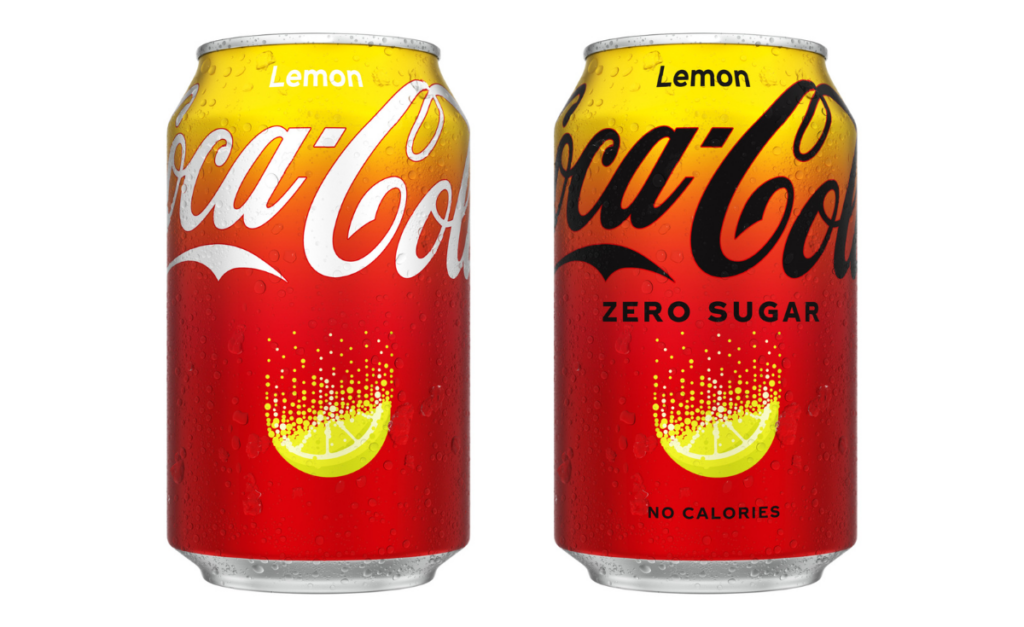
Coca-Cola Lemon was first introduced in the United Kingdom in 2005 as a citrus-infused variation of the classic soda. The addition of lemon gave Coca-Cola an appeal to consumers which reflected a broader UK preference at the time for lighter, citrus-forward soft drinks.
It is also important to note that in the United Kingdom, “lemonade” refers to a clear, carbonated lemon-flavored soda, unlike the still version commonly found in the United States. By aligning with established local taste preferences and existing consumer habits, Coca-Cola demonstrated how brands can successfully formalize trends that consumers are already creating themselves.